
The use of science in modern criminal investigations is more than ever before. One of the most powerful tools available to investigators today is DNA testing in criminal investigations. The DNA holds the biological information that is unique to each person, and this implies that the DNA can be used to connect a suspect to a crime scene with a lot of accuracy. This scientific technique evolved in the last several decades and changed the way police identify criminals, reopen cold cases, and even exonerate innocent individuals who were wrongly accused.
In many serious criminal cases, investigators now depend on forensic DNA testing to analyze biological evidence left behind. Traces such as blood and hair, saliva, skin cells, etc., can also submit useful genetic information. When examining this evidence, professionals are able to create a DNA set that can possibly identify a suspect or a person who was already registered in a national database. Understanding how DNA testing helps solve crimes has helped law enforcement agencies solve cases that once seemed impossible to crack.
The DNA Evidence at Crime Scenes
Any crime scene may have concealed biological evidence. A single drop of blood or even a couple of skin cells that might be remaining on any material can hold DNA, which can be examined in a laboratory. This is what makes investigators cautious in gathering evidence like clothing fibers, cigarette butts, drinking glasses, or fingerprints that could have had genetic materials.
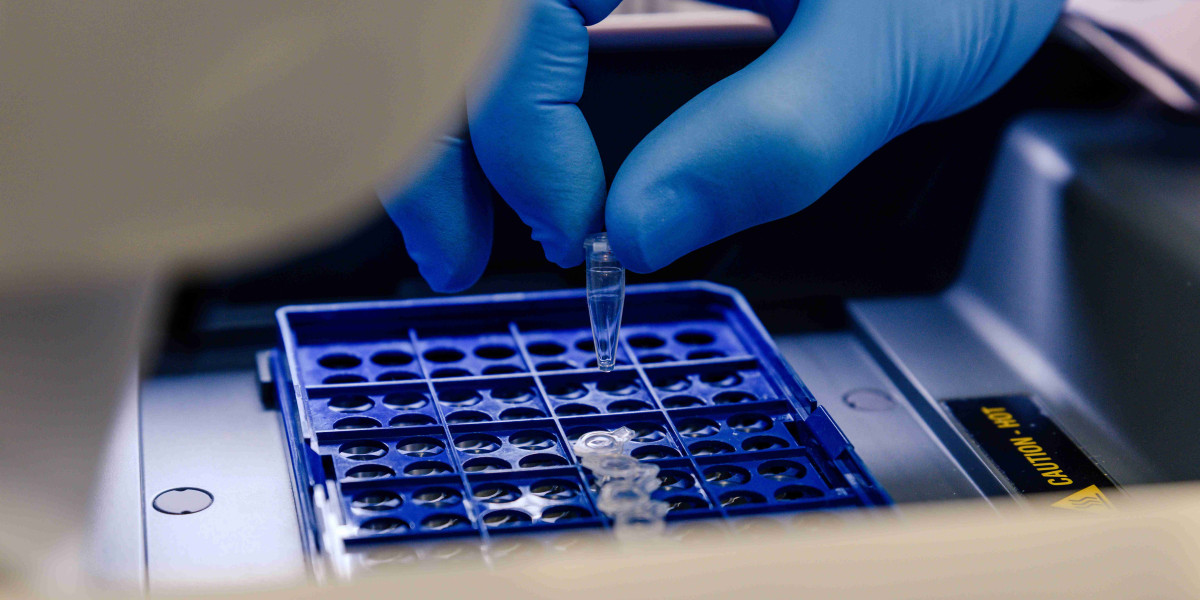
When the evidence is obtained, the specialists take DNA out of the sample and form a genetic profile. This process forms the foundation of DNA testing in criminal investigations. The DNA profile obtained is then matched to any sample of a suspect or to recorded data in the forensic databases. In case a match is identified, it can put an individual at the crime scene or establish their presence at the incident.
The Use of DNA Databases in a Criminal Case
A number of nations have large DNA databases that hold the genetic profiles of convicted offenders and, in some cases, those who were arrested. These databases enable the investigators to match the unknown DNA at the crime scenes against millions of existing profiles.
Police obtain a valuable lead when a match has been made. In other cases, a suspect does not even notice that he/she has left behind DNA evidence. DNA is not affected by time; it may be possible to even use old evidence to get credible results. This is one of the reasons DNA testing in criminal investigations has helped solve many cold cases that remained unsolved for years or even decades.
The DNA Connection to Crime Scenes
DNA acts as a biological fingerprint. An identical DNA profile is not observed in two individuals except identical twins. DNA evidence has the ability to greatly substantiate a criminal case in a court due to its uniqueness.
When investigators draw a DNA sample of a suspect, they match it to the profile that they obtain at the crime scene. When the patterns are matched, it indicates that it is probable that the individual was in contact with evidence or a place. This is a major reason DNA testing in criminal investigations has become one of the most trusted forms of scientific evidence used by prosecutors and investigators around the world.
Nevertheless, care should be taken with DNA evidence. Contamination is to be avoided by proper collection, storage, and laboratory processes. Before introducing DNA results into the court, courts often demand rigid documentation of the collection and analysis of evidence.
DNA Testing and Re-opening of Cold Cases
A lot of criminal activities used to go unnoticed due to the lack of credible forensic technology by the investigators. The modern laboratory methods provide specialists with an opportunity to re-examine evidence that was gathered many years ago. The small traces of DNA that were previously cannot be analyzed can now be checked out using advanced devices.
Because of these developments, forensic DNA testing has helped investigators reopen thousands of cold cases. The police archives can now give new leads to identify the suspects that never existed before, as the police had the old evidence that could give them a clue about the suspects. Victims who are still alive allow their families to find the answers they have been waiting to know over the years.
The Innocent Cleared through DNA Evidence
DNA testing does not just aid in the capture of criminals. It defends innocent individuals as well. There are some instances in various parts of the globe where people who had been falsely convicted were later identified as innocent, as new DNA tests revealed that the crime was committed by another individual.
The previously convicted individuals are now more likely to be requested to undergo new testing by the courts, provided that the biological evidence has not been destroyed. In these situations, forensic DNA testing can reveal errors in earlier investigations and ensure that justice is served. This demonstrates how DNA testing helps solve crimes while also preventing wrongful punishment. A lab like Face DNA in Maryland provides 99.9% authentic results for DNA testing and is considered the most credible lab among others.
Conclusion
The DNA evidence has transformed the process of solving crimes. DNA analysis has been one of the most significant scientific techniques employed in modern-day law enforcement by informing the guilt or innocence of people involved in crime cases by connecting suspects with the crime scenes and revealing past incidents.