
What actually decides PvP fights in Arc Raiders?
Most PvP fights are short, messy, and uneven. You rarely meet another player who is standing still and ready for a fair duel. Instead, fights usually happen when:
One player is already fighting ARC enemies
Someone is looting or healing
A third party shows up mid-fight
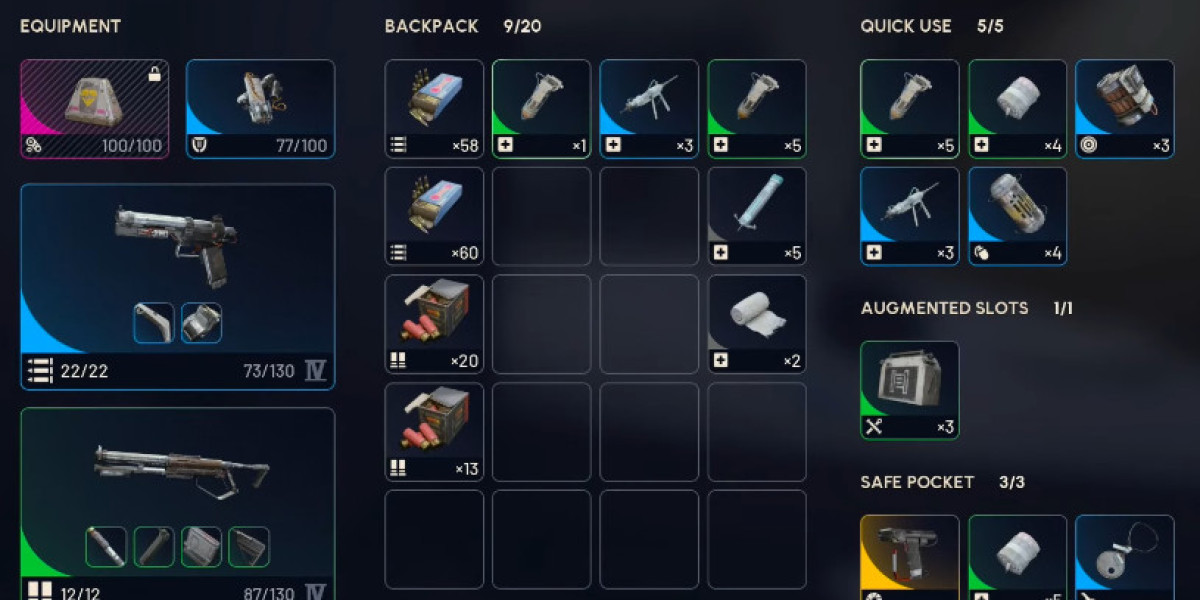
Because of this, PvP success is about three things: speed, control, and survivability. Builds that work well let you react quickly, deal damage fast at common engagement ranges, and escape when things go bad.
High damage on paper matters less than how easy the weapon is to use under pressure.
What weapon types work best for PvP in practice?
Why mid-range weapons dominate most fights
Most PvP engagements happen at short to mid range. Tight corridors, broken terrain, and vertical angles make long-range sniping risky. At the same time, pure close-range builds struggle if the enemy backs off or uses cover well.
Reliable PvP weapons usually share these traits:
Fast aim recovery
Predictable recoil
Good damage without perfect accuracy
Assault-style rifles and burst-capable weapons tend to perform best because they let you pressure enemies while staying mobile.
When close-range builds make sense
Shotgun and high-damage close-range builds work, but only if you commit to aggressive movement. These builds punish players who panic or tunnel on PvE targets. They fail if you hesitate or fight in open ground.
If you play solo and like ambushing, close-range builds can be strong. In squads, they work best as part of a coordinated push, not as a lone strategy.
How important is armor and survivability?
Why surviving the first burst matters most
Many PvP fights are decided in the first few seconds. Armor that lets you survive one extra burst often matters more than damage boosts.
In practice:
Players often miss or overcommit early
Surviving lets you reposition or force a reload
Healing windows are short but decisive
A balanced armor setup that doesn’t slow you down too much usually performs better than heavy protection that limits movement.
Mobility beats raw defense
Slow players get flanked. Heavy builds look good until you realize how often you need to reposition. PvP builds should keep stamina costs manageable and allow fast vaulting, climbing, and retreating.
If your build makes you hesitate to rotate or disengage, it’s probably too heavy for consistent PvP success.
Which gadgets actually help in PvP fights?
Utility over damage gadgets
Damage gadgets sound strong, but utility wins more fights. Gadgets that help you control space, deny pushes, or escape are used more often and with better results.
Common practical uses:
Blocking line of sight to heal or reload
Forcing enemies out of cover
Creating safe exits when third-partied
Players who survive multiple fights in one run usually do so because they saved a utility gadget for the right moment.
Why information matters more than people think
Knowing where enemies are, or where they might rotate, prevents bad pushes. Many PvP deaths come from pushing into unknown space. Gadgets or tools that reduce uncertainty are quietly powerful.
What are reliable PvP builds for different playstyles?
Solo PvP build: flexible and quiet
Solo players benefit from:
A controllable mid-range weapon
Lightweight armor
One escape-focused gadget
This build works because most solo PvP kills happen by catching someone distracted. You want to end the fight quickly or leave immediately. Long drawn-out fights attract other players.
Squad PvP build: pressure and trade potential
In squads, builds should complement each other. One player applying steady pressure while another flanks is more effective than everyone running the same setup.
Good squad builds focus on:
Consistent damage over time
Area control
Ability to trade kills instead of surviving alone
Even if one player goes down, the build should allow teammates to finish the fight.
How do budget builds compete with high-end gear?
Why skill and positioning still matter more
Expensive gear doesn’t fix bad decisions. Many players lose high-tier loadouts because they overestimate their advantage. Budget PvP builds work because Arc Raiders rewards smart engagement choices.
A cheaper build with:
Familiar recoil
Reliable damage
Low replacement cost
often performs better than rare gear you’re afraid to lose.
Some players even look for low-cost arc raiders blueprints for sale to maintain consistent PvP-ready builds without risking everything each run.
Practicing with repeatable loadouts
Using the same type of build repeatedly improves muscle memory. PvP success comes faster when you know exactly how your weapon behaves and how much damage you can deal before reloading.
How should PvP builds change based on map flow?
Adapting to high-traffic areas
In popular loot zones, third parties are common. Builds here should emphasize fast kills or fast exits. Lingering usually leads to being overwhelmed.
Playing the edge of the map
On quieter routes, longer engagements happen more often. Here, sustain and ammo efficiency matter more. Builds that feel weak in chaotic zones can shine in controlled environments.
What mistakes do players make when copying “meta” builds?
The biggest mistake is copying a build without copying the playstyle. A build designed for aggressive pushing fails if you play passively. A defensive build collapses if you rush every sound you hear.
Before copying a build, ask:
When does this build want to fight?
When should it disengage?
What mistakes does it forgive?
If you can’t answer those, the build will feel inconsistent.
Thoughts: what really makes a PvP build good?
A good PvP build in Arc Raiders does not rely on perfect aim or rare gear. It supports how fights actually happen: fast, chaotic, and often unfair.
The best builds:
Work under pressure
Allow mistakes without instant death
Match your personal decision-making
If your build helps you survive more fights, reposition more often, and choose when to engage, it’s doing its job. Over time, those small advantages add up to more extractions and more PvP wins.