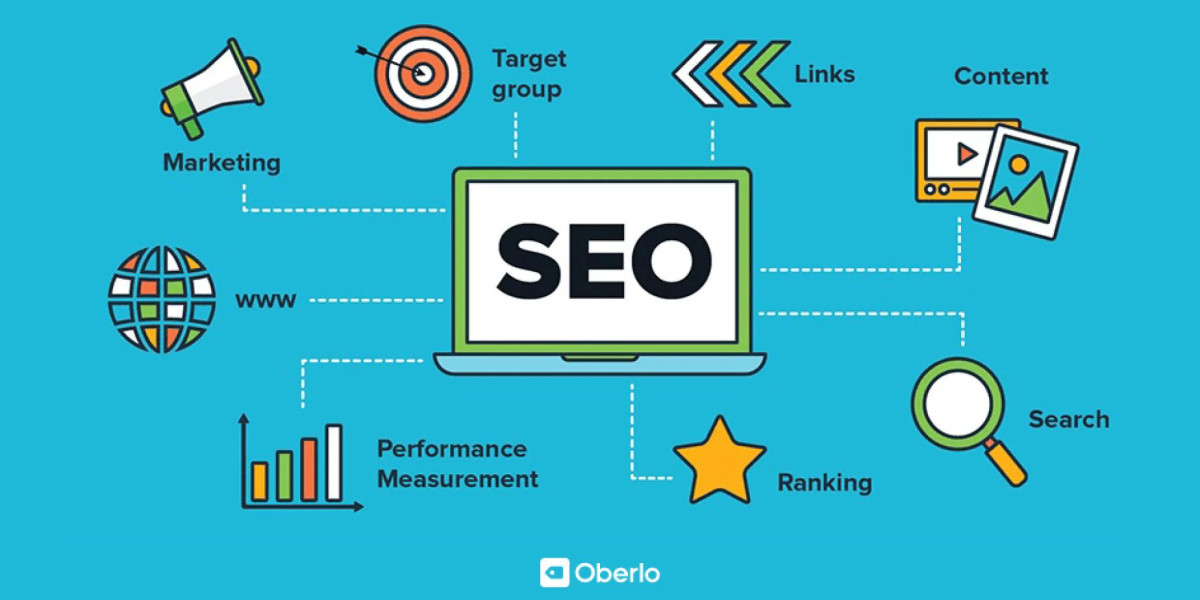

Search Engine Optimization is often measured by traffic. Businesses celebrate rising visitor numbers, improved keyword rankings, and growing impressions in search results. While these indicators are important, they represent only the surface of SEO success.
The real power of SEO lies deeper — in the conversion layer, where visitors transform into leads, inquiries, and paying customers.
Without this layer, traffic remains just a number in analytics reports. With it, SEO becomes a reliable engine for business growth.
Understanding the Conversion Layer
The conversion layer is the point where visibility meets action.
When someone finds your website through search engines like Google, several things must happen before they become a customer:
They must trust your website.
They must find the information they need.
They must feel confident about your solution.
They must know how to take the next step.
If any of these elements are missing, the visitor may leave without converting — even if your rankings are excellent.
The conversion layer ensures that traffic does not stop at curiosity but continues toward commitment.
Step 1: Attract the Right Visitors
Conversions start with the right audience.
If your SEO strategy targets only high-volume keywords, you may attract many visitors who have little interest in your services. To build an effective conversion layer, focus on intent-driven searches.
These include queries such as:
Service-specific searches
Product comparisons
Solution-focused questions
Local service inquiries
Visitors performing these searches are often closer to making decisions, which significantly increases conversion potential.
Step 2: Deliver Immediate Clarity
When users land on your page, they should instantly understand three things:
What your business offers
How it solves their problem
Why they should trust you
Clear headlines, concise messaging, and structured content help visitors quickly determine whether your solution fits their needs.
Confusion reduces conversions. Clarity increases them.
Step 3: Build Trust Through Proof
Trust is one of the strongest drivers of conversions in digital marketing.
Visitors arriving from search results may have no prior relationship with your brand. Strong trust signals help bridge that gap.
Effective trust elements include:
Customer testimonials
Case studies demonstrating results
Professional certifications
Transparent company information
High-quality website design
When visitors see evidence of real success and credibility, they feel more comfortable taking action.
Step 4: Guide Visitors With Strategic Calls to Action
Even interested users may hesitate if they are unsure about the next step.
Clear calls to action help guide visitors through the conversion process. These may include:
Contact or consultation requests
Product purchases
Newsletter subscriptions
Resource downloads
Effective CTAs are visible, specific, and benefit-oriented. Instead of simply saying “Contact Us,” a stronger message might emphasize value, such as offering expert guidance or a personalized solution.
The goal is to remove uncertainty and make the next step easy.
Step 5: Optimize the User Experience
User experience plays a critical role in conversion success.
A website that loads slowly, feels cluttered, or is difficult to navigate will discourage visitors from engaging further.
To strengthen the conversion layer:
Ensure fast page loading speeds
Design for mobile usability
Organize content logically
Avoid intrusive pop-ups
Simplify forms and checkout processes
A smooth experience encourages visitors to stay longer and explore more of your site.
Step 6: Align Content With the Customer Journey
Not every visitor is ready to convert immediately. Many people move through several stages before making a decision.
An effective SEO strategy supports each stage:
Awareness – Educational articles explaining problems or concepts.
Consideration – Comparisons, case studies, and solution guides.
Decision – Product pages, service descriptions, and direct contact options.
By providing helpful information throughout the journey, businesses can gradually guide visitors toward conversion.
Step 7: Measure Conversion Performance
Traffic growth is valuable, but conversion metrics reveal whether SEO is truly supporting business success.
Important metrics include:
Conversion rate from organic traffic
Number of leads generated
Revenue attributed to SEO
Cost per acquisition
Customer lifetime value
Analyzing these indicators helps businesses identify which pages and strategies generate the most meaningful results.
SEO then evolves from a traffic tool into a strategic revenue channel.
The Long-Term Impact of Conversion-Focused SEO
When businesses build a strong conversion layer, organic traffic becomes far more valuable.
Instead of simply attracting visitors, SEO begins to generate:
Consistent leads
Higher sales opportunities
Stronger brand trust
Improved marketing efficiency
Over time, this approach creates a powerful growth cycle where visibility leads to engagement, engagement leads to conversions, and satisfied customers strengthen brand authority.
Final Thoughts
Traffic may open the door, but conversions determine success.
The conversion layer of SEO is where strategy, user experience, and trust come together to turn search visibility into real business outcomes. By focusing on attracting the right audience, building credibility, and guiding visitors toward action, businesses can transform organic traffic into loyal customers.
In the end, the goal of SEO is not simply to be seen.
It is to create meaningful connections that drive lasting growth.
Learn More Learn More Learn More Learn More Learn More Learn More Learn More
Learn More Learn More Learn More Learn More Learn More Learn More Learn More
Learn More Learn More Learn More Learn More Learn More Learn More Learn More
Learn More Learn More Learn More Learn More Learn More Learn More Learn More
Learn More Learn More Learn More Learn More Learn More Learn More Learn More
Learn More Learn More Learn More Learn More Learn More Learn More Learn More
Learn More Learn More Learn More Learn More Learn More Learn More Learn More
Learn More Learn More Learn More Learn More Learn More Learn More Learn More