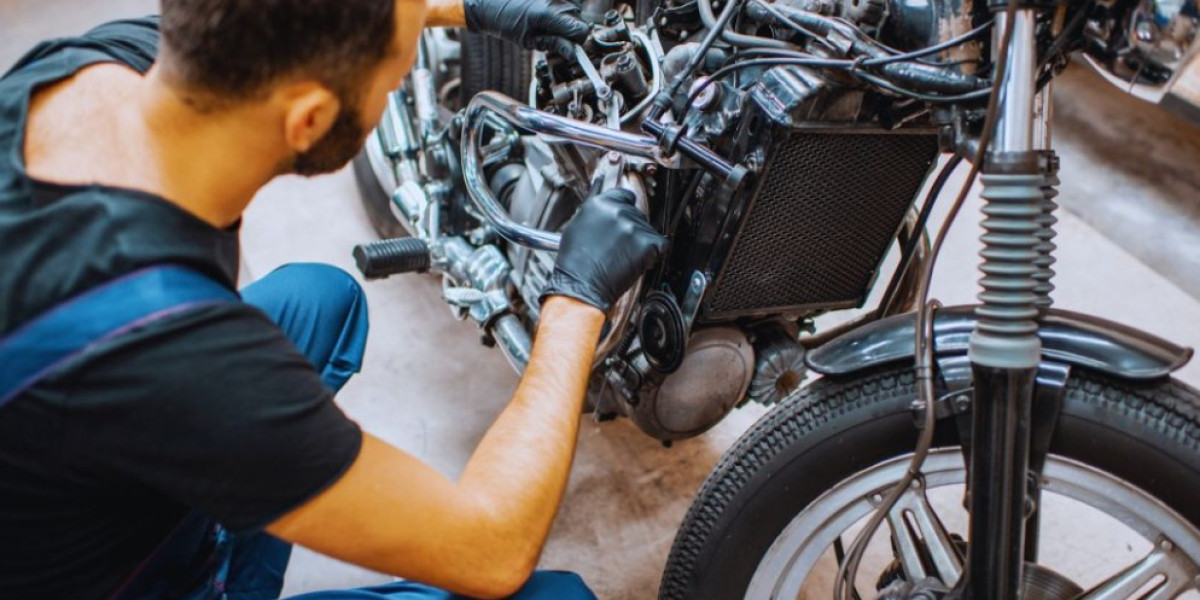

There is nothing quite as frustrating as being miles from home and feeling the tell-tale stumble of an engine that is slowly losing its electrical lifeblood. When a motorcycle's charging system fails, the battery eventually drains until the ignition system can no longer fire the spark plugs, leaving you stranded. While a digital multimeter is the gold standard for diagnosing electrical faults, it is a tool that few riders carry in their emergency kit. However, a simple incandescent test light—a tool often found in even the most basic roadside kits—can be remarkably effective at pinpointing a failure in the stator or the regulator/rectifier.
Understanding the Charging Circuit Lifecycle and Component Roles
Before diving into the diagnostics, it is essential to understand the journey of electricity within a motorcycle. The stator, located inside the engine case, is essentially an alternator that produces three-phase Alternating Current (AC). This raw energy is sent through three wires (usually yellow) to the regulator/rectifier. The regulator's job is twofold: first, it converts the wild AC into stable Direct Current (DC), and second, it caps the voltage to around 14.4 volts to prevent the battery from "cooking." If the stator fails, the regulator has no energy to convert; if the regulator fails, the energy is either blocked entirely or allowed to surge at dangerous levels.
Why the Test Light is a Valid Field Diagnostic Tool
Many modern mechanics scoff at the use of a test light, preferring the precision of a digital readout. However, in a field environment, a test light provides something a multimeter often lacks: a load test. A stator may show healthy voltage on a multimeter while static, yet fail to provide enough current to light a bulb once under load. By using an incandescent test light, you are forcing the stator to do actual work. If the stator can illuminate the bulb brightly, it is producing functional current. This method of "visualizing" current flow is a foundational concept taught in a motorbike maintenance course, allowing the technician to verify the integrity of the windings without needing sensitive electronics. It is important to use a standard bulb-style test light rather than an LED version, as the LED requires so little current that it can provide a "false positive" on a failing stator.
Preparing the Bike for a Static Stator Test
To begin the diagnosis, you must locate the connector that links the stator to the regulator/rectifier. This is usually a three-pin plastic connector with three identical wires, typically colored yellow or white. In some cruisers and adventure bikes, this connector is tucked behind a side cover or under the fuel tank. Once located, disconnect the plug while the engine is off. Safety is paramount here; you will be starting the engine with these wires exposed, and the stator can produce upwards of 70 volts AC at high RPMs.
Executing the AC Output Verification with a Test Light
With the stator connector unplugged, start the engine. Be aware that the bike is now running solely on the battery, so keep the test brief. Take your test light and connect the ground clip to one of the three pins in the stator-side plug. Touch the probe to the second pin. The light should glow brightly. Move the probe to the third pin, then move the ground clip to the second pin and test the third again. You are testing "phase to phase." If the light fails to glow on any of these combinations, one of the stator windings is burnt out. A healthy stator will make the bulb pulse and glow intensely as you increase the engine RPM.
Identifying Regulator Failure via the DC Output Side
If the stator passes the "phase to phase" test with flying colors, the problem likely lies within the regulator/rectifier. To test this, reconnect the stator plug and start the bike. Clip your test light to a clean ground on the frame and touch the probe to the positive battery terminal. Note the brightness of the bulb. Now, increase the engine speed. In a functioning system, the light should get slightly brighter as the RPMs rise, reflecting the increase in charging voltage. If the light does not change at all, or if it flickers and dims as you rev the engine, the regulator is likely "open," meaning it is not allowing current to pass through to the battery.
Interpreting the Behavior of the Bulb and Final Troubleshooting
The behavior of the test light bulb tells a story of electrical health. If the light becomes extremely bright—almost blinding—when you rev the engine, the regulator has failed in a "closed" position, allowing unregulated voltage to spike. This is a dangerous condition that can blow every bulb on the bike and melt the battery. If the stator tests fine but the regulator shows no output, check the main fuse and the wiring harness for signs of melting or corrosion before condemning the regulator itself. This systematic approach is the hallmark of a trained technician.