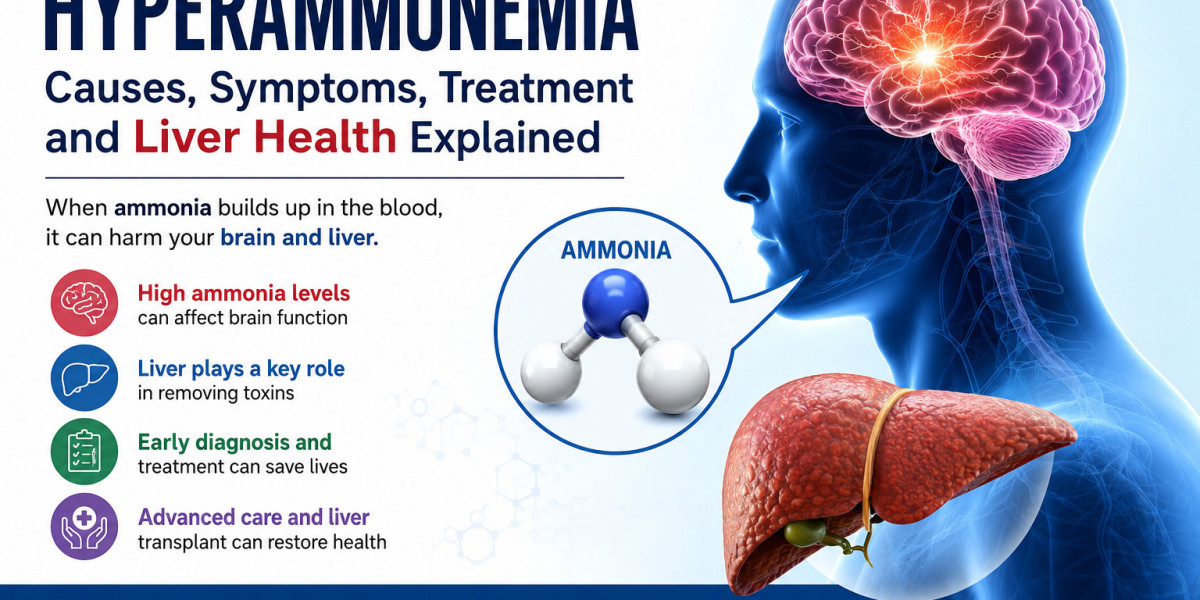

Have you ever wondered how the body removes harmful waste products every day without you even noticing? Your liver works like a powerful cleaning machine, filtering toxins and keeping your body balanced. But when this system fails, dangerous substances can build up in the blood. One such substance is ammonia.
Hyperammonemia is a condition where ammonia levels in the blood become too high. While ammonia is naturally produced during digestion and protein breakdown, excess ammonia can become toxic—especially to the brain. In severe cases, it may lead to confusion, unconsciousness, or even life-threatening complications.
Many people ignore early signs because symptoms can seem mild at first. However, recognizing the warning signals early can make a huge difference. In some advanced liver disease cases, consulting a liver transplant surgeon in india may become necessary for long-term survival and recovery.
This article explains Hyperammonemia in simple language so you can better understand its causes, symptoms, treatment options, and prevention strategies.
1. What is Hyperammonemia?
Hyperammonemia is a medical condition where the level of ammonia in the bloodstream becomes abnormally high.
Ammonia is produced naturally when the body digests protein. Normally, the liver converts ammonia into urea, which leaves the body through urine. But if the liver is damaged or metabolism is disturbed, ammonia starts accumulating in the blood.
Think of your liver as a water purifier. If the filter stops working properly, harmful waste begins circulating everywhere. That’s exactly what happens in Hyperammonemia.
This condition can occur suddenly or develop gradually over time depending on the underlying cause.
2. How Does Ammonia Affect the Body?
Ammonia is toxic, especially to the brain and nervous system.
When ammonia levels rise, the brain struggles to function properly. This can cause mental confusion, mood changes, and memory problems. In severe cases, the brain may swell, leading to coma.
High ammonia levels can affect:
- Brain function
- Memory
- Sleep patterns
- Coordination
- Consciousness
The body becomes overwhelmed because it cannot eliminate toxins effectively.
3. Common Causes of Hyperammonemia
Several health conditions and lifestyle factors can trigger Hyperammonemia.
Liver Cirrhosis
Liver cirrhosis is one of the most common causes. Scarred liver tissue cannot process ammonia efficiently.
Hepatitis
Viral hepatitis can damage liver cells and reduce the liver’s ability to detoxify ammonia.
Genetic Disorders
Some babies are born with metabolic disorders that prevent ammonia breakdown.
Kidney Problems
Poor kidney function can reduce toxin removal from the body.
Certain Medications
Some drugs may interfere with ammonia metabolism.
Excessive Protein Intake
Too much protein can increase ammonia production in vulnerable individuals.
4. Liver Disease and Hyperammonemia
The liver plays the central role in ammonia control.
When liver disease becomes advanced, ammonia starts accumulating rapidly. Conditions linked to Hyperammonemia include:
- Fatty liver disease
- Alcohol-related liver disease
- Liver failure
- Chronic hepatitis
- Liver cirrhosis
In severe cases, doctors may recommend evaluation by a liver transplant surgeon in india if liver function declines permanently.
India has become a preferred destination for advanced liver treatment due to experienced specialists, modern hospitals, and affordable healthcare facilities.
5. Symptoms of Hyperammonemia
Symptoms may vary from mild to severe depending on ammonia levels.
Early Symptoms
- Fatigue
- Irritability
- Poor concentration
- Nausea
- Vomiting
Moderate Symptoms
- Confusion
- Slurred speech
- Mood swings
- Tremors
- Sleepiness
Severe Symptoms
- Seizures
- Loss of consciousness
- Brain swelling
- Coma
Sometimes family members notice personality changes before the patient does.
6. Why High Ammonia Levels Affect the Brain
The brain is extremely sensitive to toxins.
When ammonia enters the brain, it disrupts communication between brain cells. This condition is often linked with hepatic encephalopathy, a serious complication of liver disease.
The brain may become swollen due to toxin buildup. Patients may feel “foggy,” forgetful, or disoriented.
In advanced cases:
- Patients may not recognize family members
- Speech may become unclear
- Balance and coordination worsen
Without urgent treatment, the condition can become fatal.
7. Hyperammonemia in Children and Adults
In Children
Newborns with inherited metabolic disorders may develop severe Hyperammonemia within days after birth.
Symptoms in infants include:
- Poor feeding
- Vomiting
- Sleepiness
- Seizures
Immediate medical care is critical.
In Adults
Adults usually develop Hyperammonemia due to liver disease or severe infections.
Older adults with liver cirrhosis are at higher risk.
8. Diagnosis and Medical Tests
Doctors use several tests to confirm Hyperammonemia.
Blood Ammonia Test
This is the main test used to measure ammonia levels.
Liver Function Tests
These tests evaluate liver health and damage.
CT Scan or MRI
Brain imaging may be required if neurological symptoms appear.
Genetic Testing
Used mainly in children with inherited disorders.
Ultrasound
Helps detect liver cirrhosis or structural liver problems.
Early diagnosis greatly improves treatment success.
9. Treatment Options for Hyperammonemia
Treatment depends on the underlying cause and severity.
Medications
Doctors often prescribe medicines such as lactulose to reduce ammonia absorption in the intestines.
Antibiotics may also help decrease ammonia-producing bacteria.
Hospital Care
Severe cases require emergency treatment in hospitals.
Dialysis
Dialysis may rapidly remove ammonia from the blood in critical cases.
Treating Liver Disease
Managing hepatitis, fatty liver disease, or cirrhosis is essential.
Liver Transplant
When the liver is permanently damaged, a liver transplant surgeon in india may recommend transplantation as the best long-term solution.
10. Role of Diet and Nutrition
Diet plays a major role in managing Hyperammonemia.
Protein Management
Patients should not stop protein completely, but protein intake may need careful adjustment.
Healthy Food Choices
Recommended foods include:
- Fruits
- Vegetables
- Whole grains
- Lean proteins
Avoid Alcohol
Alcohol further damages the liver and worsens symptoms.
Stay Hydrated
Proper hydration supports toxin removal.
A liver-friendly diet can significantly reduce complications.
11. When is Liver Transplant Needed?
A liver transplant may become necessary if:
- Liver failure is irreversible
- Repeated episodes of hepatic encephalopathy occur
- Cirrhosis becomes severe
- Quality of life declines significantly
A skilled liver transplant surgeon in india evaluates:
- Overall liver function
- Severity of complications
- Patient fitness for surgery
India offers advanced transplant technology and internationally trained specialists, making treatment accessible to many patients worldwide.
12. Complications of Untreated Hyperammonemia
Ignoring Hyperammonemia can lead to serious health risks.
Brain Damage
Persistent high ammonia levels can permanently affect brain function.
Coma
Severe toxicity may result in unconsciousness.
Organ Failure
Advanced liver failure can impact kidneys, lungs, and heart.
Death
Without treatment, severe Hyperammonemia can become life-threatening.
This is why early medical attention is extremely important.
13. Can Hyperammonemia Be Prevented?
In many cases, yes.
Protect Liver Health
- Avoid excessive alcohol
- Maintain healthy weight
- Exercise regularly
- Vaccinate against hepatitis
Regular Check-Ups
People with liver disease should monitor ammonia levels regularly.
Take Medicines Correctly
Never stop liver medications without medical advice.
Balanced Nutrition
Healthy eating reduces liver stress.
Prevention is always easier than managing severe complications later.
14. Recovery and Long-Term Outlook
The outlook depends on:
- Cause of Hyperammonemia
- Severity of liver damage
- Speed of treatment
Mild cases often improve with medications and dietary changes.
However, advanced liver disease may require lifelong care or transplantation.
Patients who receive timely treatment can still lead healthy and productive lives.
Support from doctors, family, and nutrition experts also improves recovery.
15. Final Thoughts
Hyperammonemia is more than just a medical term—it is a serious warning sign that the body’s toxin-clearing system may be failing.
The condition can silently affect the brain, liver, and overall quality of life. Early symptoms like confusion, tiredness, or mood changes should never be ignored, especially in people with liver disease.
Fortunately, modern medicine offers effective treatments ranging from medications and dietary management to advanced liver transplantation procedures. Consulting an experienced liver transplant surgeon in india can help patients explore the best treatment options for severe liver conditions linked with Hyperammonemia.
Your liver works tirelessly every single day. Taking care of it today can protect your future health tomorrow.
FAQs About Hyperammonemia
1. What is the main cause of Hyperammonemia?
The most common cause is severe liver disease, especially liver cirrhosis, where the liver cannot properly remove ammonia from the blood.
2. Is Hyperammonemia dangerous?
Yes, high ammonia levels can damage the brain and may become life-threatening if left untreated.
3. Can Hyperammonemia be cured?
Treatment depends on the cause. Some cases improve with medication and diet, while severe liver disease may require liver transplantation.
4. What foods should be avoided in Hyperammonemia?
Alcohol, processed foods, and excessive protein intake should generally be limited. A doctor or dietitian can provide a personalized diet plan.
5. When should I consult a liver transplant surgeon in india?
You should consult a specialist if you have advanced liver disease, repeated confusion episodes, liver failure, or complications related to Hyperammonemia.