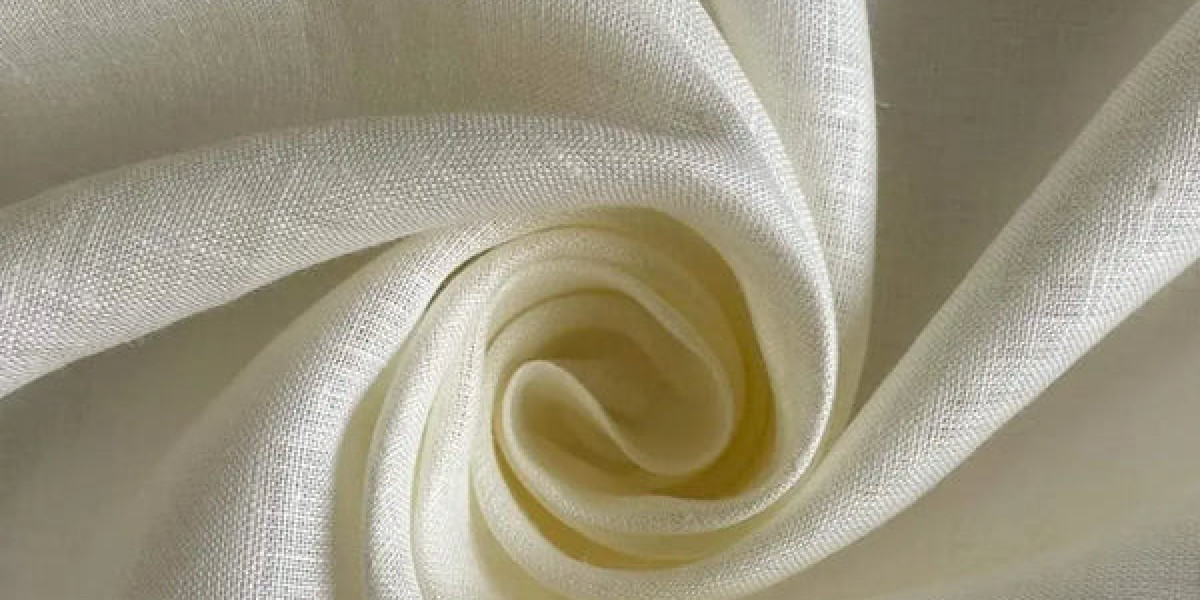

When shopping for natural fabrics, two popular choices often stand out: pure linen and cotton linen fabric. Both are known for their comfort, breathability and timeless appeal, making them favourites for clothing, home décor and upholstery. However, while they may appear similar at first glance, these fabrics have distinct characteristics that can influence your buying decision.
Whether you are planning to sew summer garments, create stylish home furnishings or choose the perfect fabric for everyday use, understanding the differences between pure linen and cotton linen fabric can help you make the right choice.
What Is Pure Linen Fabric?
Pure linen fabric is made entirely from flax fibres. Linen is one of the oldest textiles in the world and is valued for its durability, natural texture and luxurious appearance.
The production process involves harvesting flax plants, extracting the fibres and weaving them into fabric. Since it is made from 100% natural flax fibres, pure linen offers unique properties that set it apart from many other materials.
Key Features of Pure Linen
Made from 100% flax fibres
Highly breathable and moisture-wicking
Naturally antibacterial
Strong and long-lasting
Develops softness over time
Distinctive textured appearance
Environmentally friendly and biodegradable
Pure linen is often associated with premium fashion, luxury bedding and elegant home décor due to its sophisticated look and feel.
What Is Cotton Linen Fabric?
Cotton linen fabric is a blend of cotton and linen fibres. The exact ratio can vary depending on the manufacturer, but common blends include 55% linen and 45% cotton or 70% cotton and 30% linen.
This combination aims to bring together the best qualities of both fabrics. Cotton adds softness and flexibility, while linen contributes strength and breathability.
Key Features of Cotton Linen Fabric
Blend of cotton and linen fibres
Softer than pure linen
Less prone to wrinkling
Lightweight and breathable
Easier to maintain
More affordable than pure linen
Suitable for various applications
Cotton linen blends have become increasingly popular among designers, crafters and homeowners looking for a practical yet stylish fabric option.
Pure Linen vs Cotton Linen: Key Differences
1. Comfort and Feel
One of the most noticeable differences is the texture.
Pure linen has a crisp and slightly coarse feel when new. Over time and with repeated washing, it becomes softer while maintaining its distinctive texture.
Cotton linen fabric, on the other hand, feels softer from the beginning because of the cotton content. This makes it more comfortable for those who prefer fabrics with a smoother touch.
Winner: Cotton linen for immediate softness.
2. Breathability
Both fabrics offer excellent breathability, making them ideal for warm weather.
Pure linen has superior moisture-wicking properties and allows air to circulate freely. It can absorb moisture without feeling damp, helping keep the body cool and comfortable even during hot summer days.
Cotton linen also performs well but may not match the cooling efficiency of 100% linen.
Winner: Pure linen.
3. Durability
Linen fibres are among the strongest natural fibres available.
Pure linen is exceptionally durable and can last for decades when properly cared for. In fact, linen often becomes stronger when wet.
Cotton linen fabric remains durable but may not offer the same lifespan as pure linen due to the cotton blend.
Winner: Pure linen.
4. Wrinkle Resistance
Wrinkling is one of linen's most well-known characteristics.
Pure linen tends to crease easily, creating the relaxed and natural look many people love. However, some users find the wrinkles difficult to manage.
Cotton linen fabric wrinkles less because cotton adds flexibility to the material.
Winner: Cotton linen.
5. Maintenance
If easy care is important, cotton linen fabric has an advantage.
Pure linen often requires gentle washing, careful drying and occasional ironing to maintain its appearance.
Cotton linen blends are generally easier to wash and maintain, making them suitable for everyday use.
Winner: Cotton linen.
6. Appearance
Pure linen has a unique texture and natural elegance that many people associate with luxury.
Its slightly irregular weave and organic finish create a sophisticated appearance that works beautifully in fashion and interior design.
Cotton linen fabric offers a softer, smoother look while retaining some of linen's natural charm.
Winner: Depends on personal preference.
7. Cost
Pure linen typically costs more because flax cultivation and linen production require significant labour and processing.
Cotton linen blends are usually more affordable while still offering many of linen's desirable qualities.
Winner: Cotton linen.
Best Uses for Pure Linen Fabric
Pure linen is ideal for projects where luxury, durability and breathability are priorities.
Clothing
Summer dresses
Shirts and blouses
Trousers
Lightweight jackets
Home Décor
Premium curtains
Luxury bedding
Cushion covers
Table linens
Upholstery
Decorative furniture accents
Elegant interior projects
Its timeless appeal makes pure linen a preferred choice for high-end applications.
Best Uses for Cotton Linen Fabric
Cotton linen fabric is a versatile option for both beginners and experienced creators.
Clothing
Casual shirts
Everyday dresses
Children's clothing
Lightweight trousers
Home Furnishings
Curtains
Cushion covers
Table runners
Decorative accessories
Craft Projects
Tote bags
Quilting projects
DIY home décor
Soft furnishings
Its balance of comfort and practicality makes it suitable for daily use.
Which Fabric Is Better for Summer?
Both fabrics perform exceptionally well during warmer months.
If maximum cooling, moisture management and breathability are your priorities, pure linen is the better choice.
If you want a softer fabric that still offers excellent comfort and requires less maintenance, cotton linen fabric may be the ideal option.
Many people choose cotton linen blends for casual summer wear and reserve pure linen for premium garments and special occasions.
Which Fabric Is More Sustainable?
Pure linen is generally considered one of the most sustainable textiles available.
Flax requires less water and fewer pesticides than many other crops, making linen an environmentally responsible choice.
Cotton linen blends remain eco-friendly, especially when produced using responsibly sourced fibres, but pure linen typically has the advantage from a sustainability perspective.
Final Verdict: Which One Should You Choose?
The choice between pure linen and cotton linen fabric ultimately depends on your needs, budget and preferences.
Choose pure linen if you want:
Premium quality
Exceptional breathability
Maximum durability
Luxury appearance
Sustainable natural fabric
Choose cotton linen fabric if you want:
Greater softness
Easier maintenance
Fewer wrinkles
Better affordability
Everyday practicality
Both fabrics offer excellent comfort and timeless style. Pure linen delivers unmatched elegance and performance, while cotton linen fabric provides a versatile and budget-friendly alternative. By understanding their unique benefits, you can confidently select the fabric that best suits your next project.