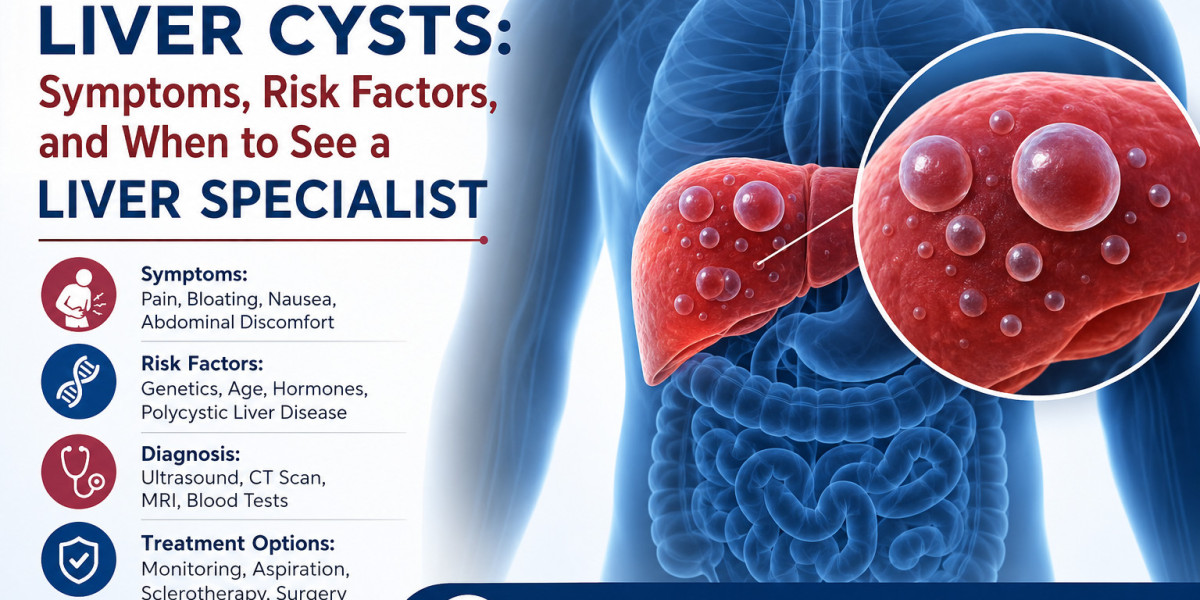

Liver cysts are fluid-filled sacs that develop inside the liver. In many cases, they are harmless and may never cause symptoms. However, some people experience recurring liver cysts, where cysts return after treatment or continue to grow over time. While this condition is often benign, recurring cysts can sometimes lead to discomfort, complications, and concerns about liver health.
If you've recently been diagnosed with a liver cyst or have undergone treatment only to see it return, you might be wondering: Why does this happen? Is it dangerous? When should I see a liver specialist?
The good news is that most recurring liver cysts can be managed effectively with proper monitoring and treatment. Understanding the symptoms, risk factors, and warning signs can help you make informed decisions about your health.
Learn about recurring liver cysts, their symptoms, causes, treatment options, and when to consult the best liver transplant surgeon in india.
Table of Contents
| Sr# | Headings |
|---|---|
| 1 | Introduction to Recurring Liver Cysts |
| 2 | What Are Liver Cysts? |
| 3 | Why Do Liver Cysts Recur? |
| 4 | Common Symptoms of Recurring Liver Cysts |
| 5 | Types of Liver Cysts |
| 6 | Risk Factors for Recurrence |
| 7 | Potential Complications |
| 8 | How Recurring Liver Cysts Are Diagnosed |
| 9 | Treatment Options |
| 10 | Lifestyle and Prevention Tips |
| 11 | When to See a Liver Specialist |
| 12 | Can Liver Cysts Become Cancerous? |
| 13 | Role of Advanced Liver Care |
| 14 | Recovery and Long-Term Outlook |
| 15 | Conclusion |
1. Introduction to Recurring Liver Cysts
Imagine your liver as a busy factory working around the clock to keep your body healthy. Now imagine a small water balloon forming inside that factory. That's essentially what a liver cyst is. Most cysts stay small and harmless, but some can return even after treatment.
Recurring liver cysts can affect a person's quality of life, especially when they cause pain, bloating, or anxiety. Understanding the condition is the first step toward effective management.
2. What Are Liver Cysts?
Liver cysts are sacs filled with fluid that develop within the liver tissue. They can range from tiny cysts detected incidentally during imaging tests to large cysts that cause noticeable symptoms.
Most liver cysts are:
Non-cancerous
Slow-growing
Asymptomatic
Detected accidentally during scans
While a single liver cyst is common, some individuals develop multiple cysts, increasing the likelihood of recurrence.
Key Facts About Liver Cysts
Affect approximately 5-10% of the population.
More common in women than men.
Usually diagnosed between ages 40 and 70.
Rarely affect liver function directly.
3. Why Do Liver Cysts Recur?
One of the most frustrating aspects of treatment is when a cyst returns after being drained or surgically treated.
Common Reasons for Recurrence
Incomplete Removal
If the cyst lining remains after treatment, fluid may accumulate again.
Multiple Hidden Cysts
Some people have several small cysts that may not be visible initially.
Underlying Genetic Conditions
Certain inherited disorders increase the likelihood of recurrent cyst formation.
Polycystic Liver Disease
This condition causes numerous cysts to develop throughout the liver and often leads to recurrence.
Why Monitoring Matters
Regular follow-up imaging helps detect recurring cysts early before they become problematic.
4. Common Symptoms of Recurring Liver Cysts
Many recurring liver cysts do not cause symptoms. However, as cysts enlarge, they can create pressure on nearby organs.
Symptoms to Watch For
Pain or discomfort in the upper right abdomen
Abdominal bloating
Feeling full quickly after meals
Nausea
Indigestion
Back or shoulder pain
Abdominal swelling
Warning Signs Requiring Medical Attention
Sudden severe pain
Fever
Jaundice (yellowing of skin and eyes)
Persistent vomiting
Rapid abdominal enlargement
These symptoms may indicate complications that require urgent evaluation.
5. Types of Liver Cysts
Understanding the type of cyst can help predict recurrence risk.
Simple Liver Cysts
These are the most common and usually harmless.
Polycystic Liver Disease
An inherited condition characterized by multiple cysts throughout the liver.
Hydatid Cysts
Caused by parasitic infections and require specialized treatment.
Biliary Cysts
Develop within the bile ducts and may interfere with bile flow.
Cystic Tumors
Rare but important to identify because some have malignant potential.
6. Risk Factors for Recurrence
Not everyone with a liver cyst will experience recurrence.
Major Risk Factors
Family History
Genetics play a significant role in some cystic liver diseases.
Female Gender
Women appear to be more susceptible to liver cyst development.
Age
The risk increases with advancing age.
Hormonal Influences
Hormonal changes may contribute to cyst growth.
Previous Liver Cysts
Individuals who have already experienced cysts are more likely to develop them again.
Medical Conditions Associated With Recurrence
Polycystic kidney disease
Polycystic liver disease
Certain congenital disorders
7. Potential Complications
Although most recurring liver cysts are benign, complications can occur.
Infection
A cyst may become infected, leading to fever and severe pain.
Bleeding
Occasionally, bleeding can occur within a cyst.
Rupture
Large cysts may rupture, causing sudden abdominal pain.
Compression of Nearby Organs
Growing cysts can press against the stomach, intestines, or bile ducts.
Bile Duct Obstruction
This may lead to jaundice and digestive issues.
Fortunately, serious complications remain relatively uncommon.
8. How Recurring Liver Cysts Are Diagnosed
Accurate diagnosis helps determine the most appropriate treatment plan.
Ultrasound
Often the first imaging test used.
CT Scan
Provides detailed images of cyst size and location.
MRI Scan
Offers excellent visualization of complex cysts.
Blood Tests
Used to assess liver function and rule out infection.
Aspiration and Fluid Analysis
In certain cases, fluid may be examined to identify the nature of the cyst.
Importance of Specialist Evaluation
A liver specialist can distinguish between harmless cysts and conditions requiring more aggressive treatment.
9. Treatment Options
Treatment depends on symptoms, cyst size, recurrence, and overall health.
Observation
Small asymptomatic cysts often require only periodic monitoring.
Needle Aspiration
Fluid is drained from the cyst.
Limitation: Recurrence is common if the cyst wall remains intact.
Sclerotherapy
A special solution is injected after drainage to reduce recurrence.
Laparoscopic Surgery
Minimally invasive surgery removes part of the cyst wall.
Benefits
Smaller incisions
Faster recovery
Lower recurrence rates
Liver Resection
In complex cases, a portion of the liver containing cysts may be removed.
Liver Transplantation
Rarely needed but may be considered in severe polycystic liver disease causing significant symptoms.
This is where consultation with the best liver transplant surgeon in india can be valuable for patients with advanced liver conditions requiring specialized care.
10. Lifestyle and Prevention Tips
While not all liver cysts can be prevented, healthy habits support overall liver health.
Maintain a Healthy Weight
Excess weight may contribute to various liver disorders.
Stay Hydrated
Proper hydration supports normal body functions.
Eat a Balanced Diet
Focus on:
Fruits
Vegetables
Whole grains
Lean proteins
Limit Alcohol Consumption
Excessive alcohol can damage liver health.
Regular Medical Check-Ups
Routine monitoring helps identify recurrence early.
11. When to See a Liver Specialist
Many people wonder whether they should consult a specialist or simply continue routine monitoring.
See a Liver Specialist If You Have:
Persistent abdominal pain
Recurrent liver cysts
Rapid cyst growth
Multiple liver cysts
Family history of polycystic liver disease
Signs of infection
Jaundice
Benefits of Specialist Care
A liver specialist can provide:
Accurate diagnosis
Advanced imaging interpretation
Personalized treatment plans
Access to minimally invasive procedures
Early consultation often leads to better outcomes.
12. Can Liver Cysts Become Cancerous?
This is one of the most common concerns among patients.
The Good News
Most simple liver cysts are completely benign and never become cancerous.
When Further Investigation Is Needed
Doctors may recommend additional testing if imaging reveals:
Thick cyst walls
Internal solid components
Irregular shapes
Rapid growth
These features do not necessarily indicate cancer but require careful evaluation.
13. Role of Advanced Liver Care
Modern medicine has significantly improved the diagnosis and management of recurring liver cysts.
Advanced Technologies Include
High-resolution imaging
Minimally invasive surgery
Image-guided procedures
Specialized liver clinics
Patients with complex liver diseases may benefit from consultation at centers specializing in liver surgery and transplantation.
For severe cases involving extensive liver involvement, guidance from the best liver transplant surgeon in india can help determine whether advanced surgical options are appropriate.
14. Recovery and Long-Term Outlook
The outlook for people with recurring liver cysts is generally excellent.
Most Patients Experience
Normal life expectancy
Good quality of life
Successful symptom management
Low risk of serious complications
Importance of Follow-Up
Regular imaging studies help monitor for recurrence and ensure timely intervention if needed.
With proper medical care, most patients continue their daily activities without major restrictions.
15. Conclusion
Recurring liver cysts can be concerning, especially when they return after treatment. Fortunately, most liver cysts are benign and manageable. The key is understanding the symptoms, recognizing risk factors, and seeking medical attention when necessary.
If you experience persistent abdominal pain, rapid cyst growth, or repeated recurrence, consulting a liver specialist is an important step. Modern diagnostic tools and treatment options have made managing liver cysts more effective than ever. In rare and complex cases involving advanced liver disease, seeking guidance from the best liver transplant surgeon in india may help patients explore specialized treatment options and achieve the best possible outcomes.
Frequently Asked Questions (FAQs)
1. Are recurring liver cysts dangerous?
Most recurring liver cysts are benign and not dangerous. However, large or complicated cysts may cause symptoms or complications that require treatment.
2. Can liver cysts disappear on their own?
Small simple liver cysts may remain stable for years, but they usually do not disappear completely without treatment.
3. How often should recurring liver cysts be monitored?
Monitoring schedules vary depending on cyst size and symptoms. Your doctor may recommend periodic ultrasound, CT scan, or MRI evaluations.
4. Can diet help prevent liver cyst recurrence?
No specific diet can prevent recurrence, but maintaining good liver health through balanced nutrition, hydration, and avoiding excessive alcohol is beneficial.
5. When should I consult the best liver transplant surgeon in india for liver cysts?
Most liver cysts do not require transplantation. However, patients with severe polycystic liver disease, significant symptoms, or complex liver conditions may benefit from consultation with the best liver transplant surgeon in india to explore advanced treatment options.